Newsletters on Wellness
Dr. Bhujanga Rao Vepakomma serves as the Chief Editor of the KIMS Wellness Newsletters, delivering insightful guidance on health, nutrition, emotional well-being, and preventive care.
Through each edition, he emphasizes awareness, balanced living, and the power of informed choices. His messages inspire readers to adopt healthier lifestyles, understand risks early, and nurture long-term well-being. All newsletters reflect his commitment to promoting holistic health and are accessible through the KIMS Newsletter portal.
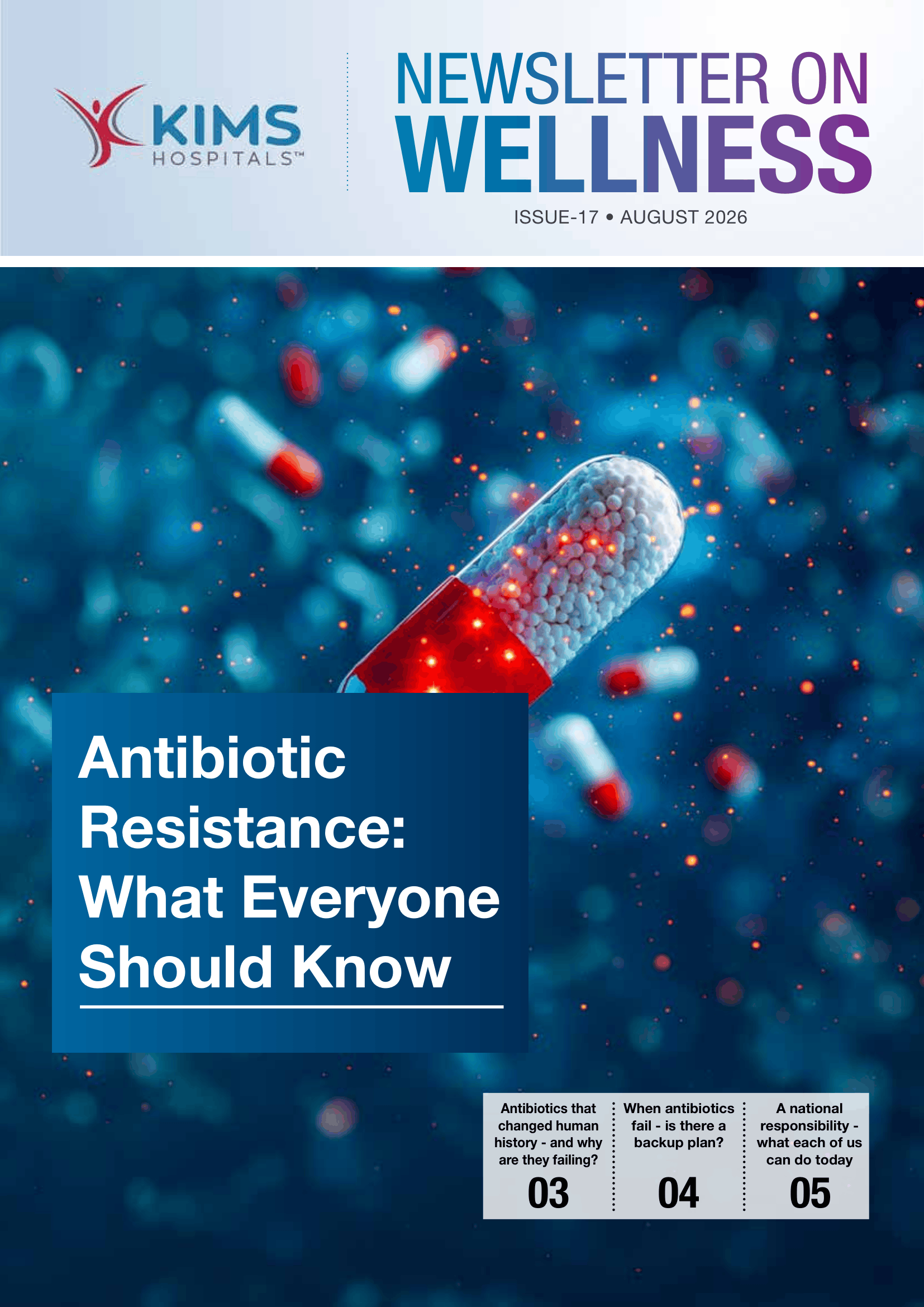
Antibiotic Resistance:
What Everyone Should Know
Antibiotic resistance is a growing global health challenge that threatens the effectiveness of life-saving medicines. This issue highlights the causes and consequences of antimicrobial resistance and emphasizes responsible antibiotic use, hygiene, vaccination, food safety, and healthy gut microbiome. It also explores phage therapy and shared responsibility in protecting antibiotics for future generations.
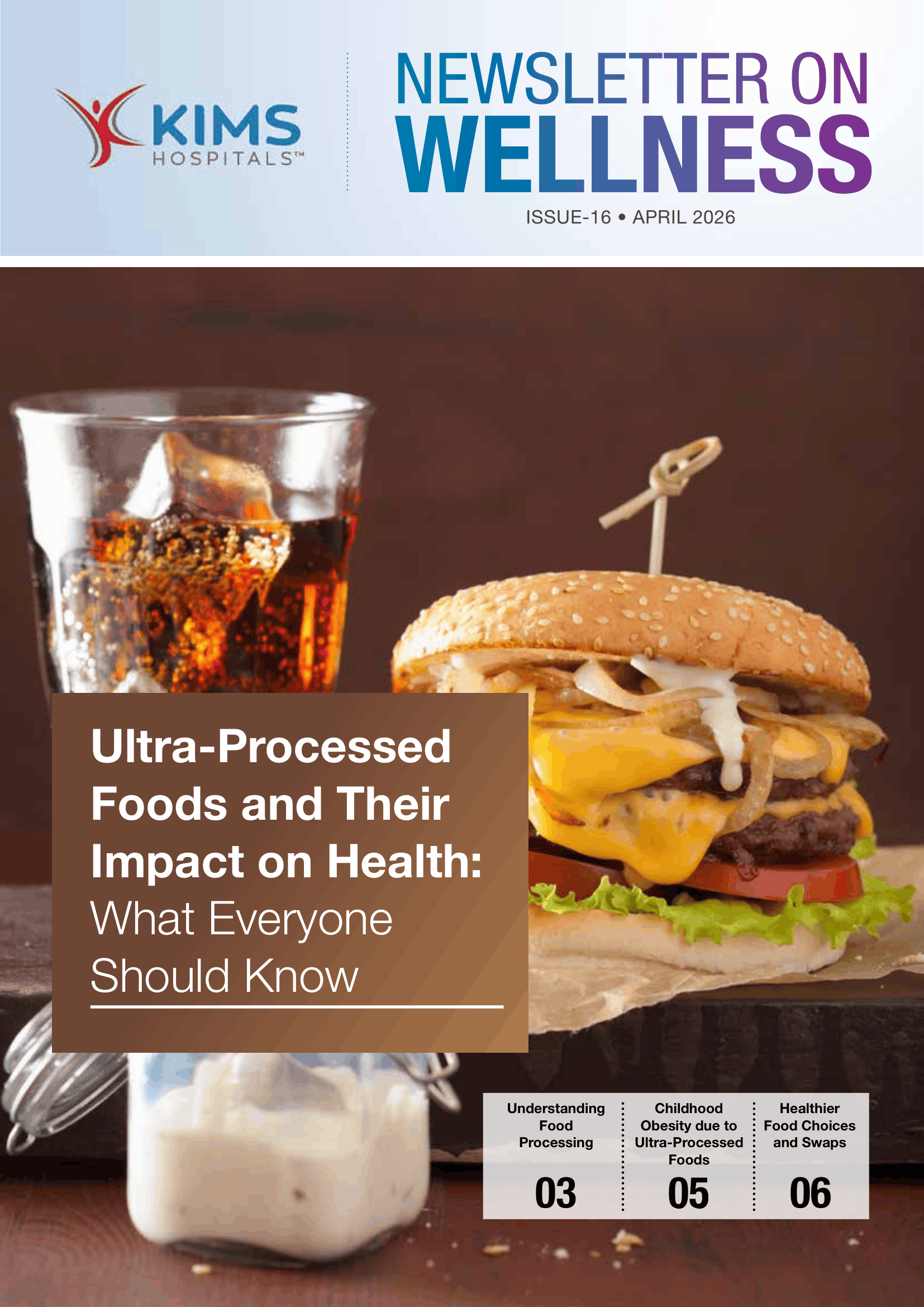
Ultra-Processed Foods and Their Impact on Health:
What Everyone Should Know
Falls are a significant health concern among older adults, affecting mobility, independence, and quality of life. Prevention involves identifying risk factors and adopting regular exercise, balanced nutrition, medication review, vision care, home safety measures, supportive devices, and wearable technology. Caregivers and families also play an important role in ensuring elderly safety.
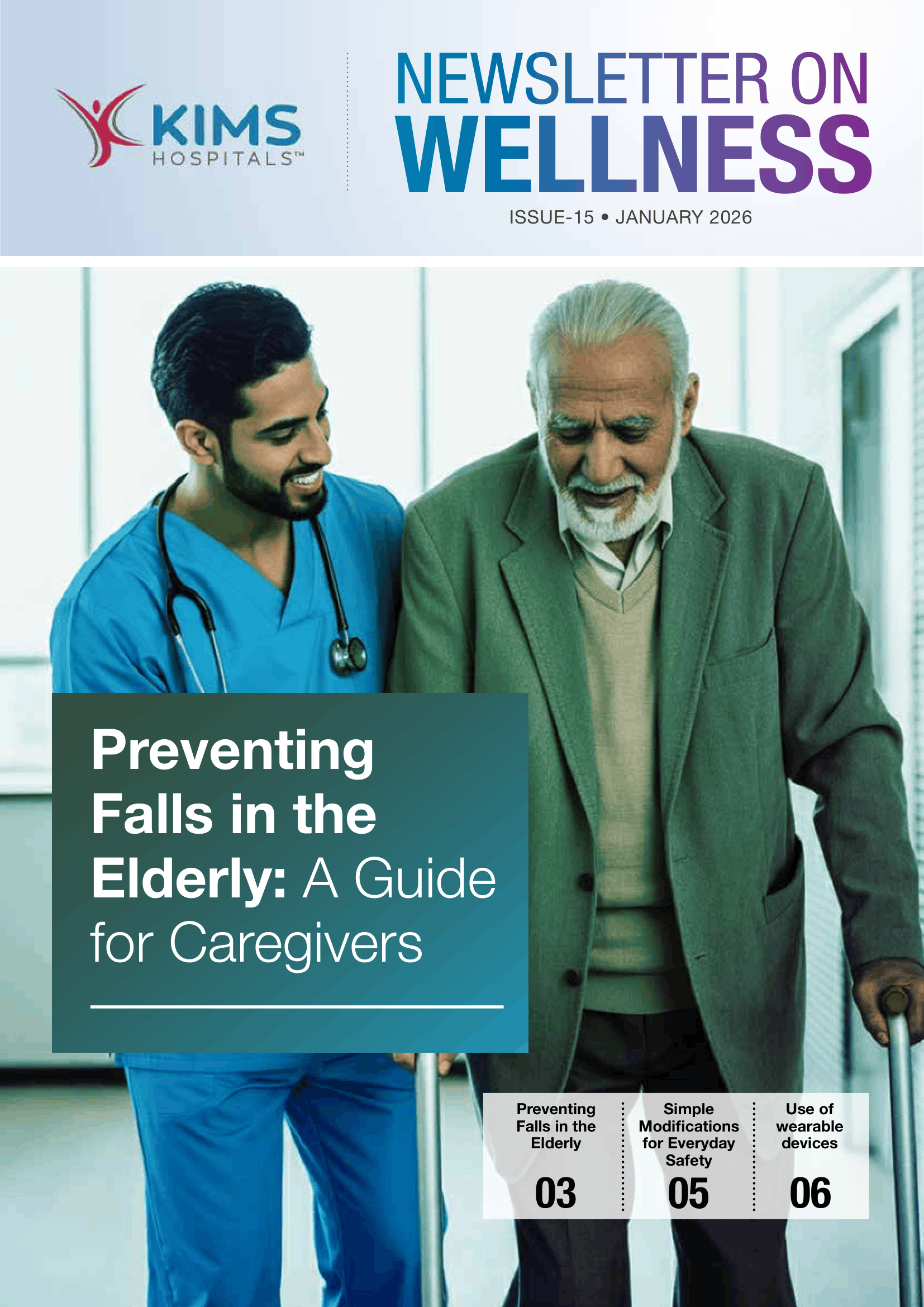
Preventing Falls in the Elderly: A Guide for Caregivers
Ultra-processed foods are increasingly common in modern diets and may affect long-term health. This issue explores food processing, the health effects of ultra-processed foods, and their impact on childhood obesity. It highlights healthier food choices, label reading, moderation, home-cooked meals, and simple dietary swaps to support balanced nutrition and healthier lifestyles.
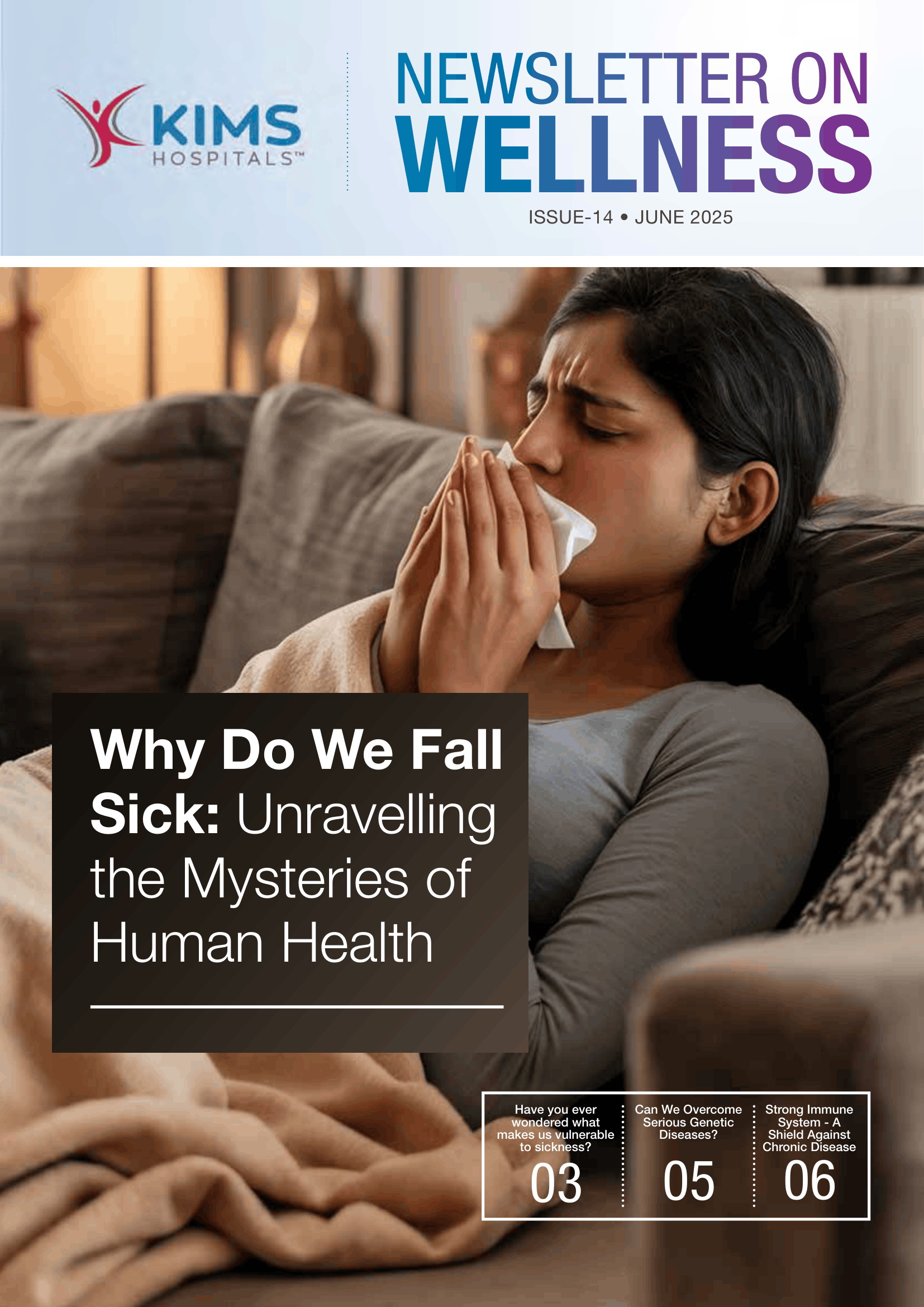
Why Do We Fall Sick: Unravelling the Mysteries of
Human Health
Health is influenced by genetics, environment, and lifestyle. Understanding these factors can help identify health risks and support prevention. Early screening, vaccination, genetic therapies, healthy nutrition, regular exercise, adequate sleep, stress management, and routine check-ups can contribute to better health, early detection, and overall well-being.
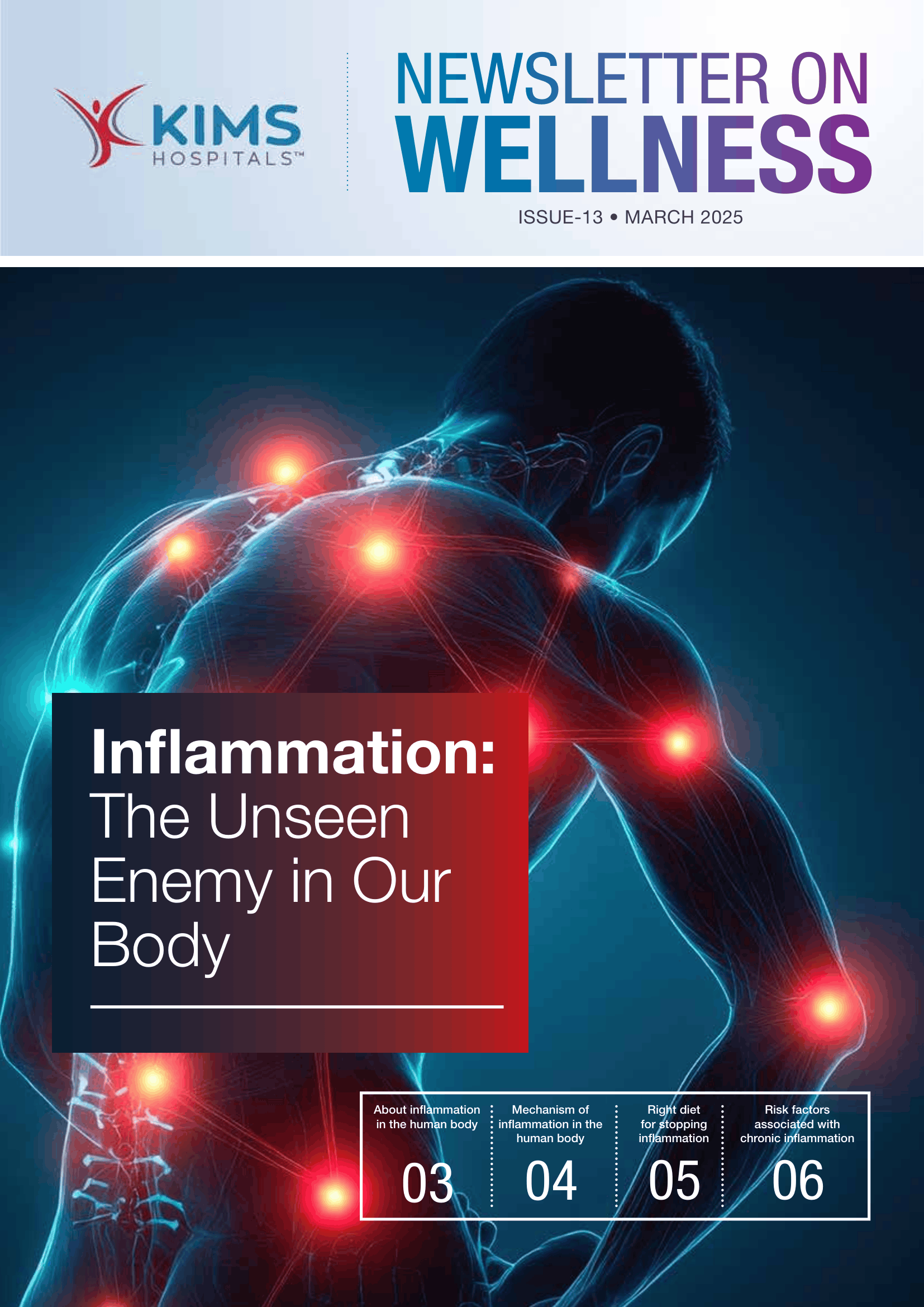
Inflammation: The Unseen
Enemy in Our Body
Inflammation is an immune response that helps the body fight infection and heal injury, but chronic inflammation can contribute to serious health conditions. Understanding its causes, risk factors, and warning signs supports prevention. A balanced diet, regular exercise, stress management, adequate sleep, hydration, and routine medical check-ups can promote health.
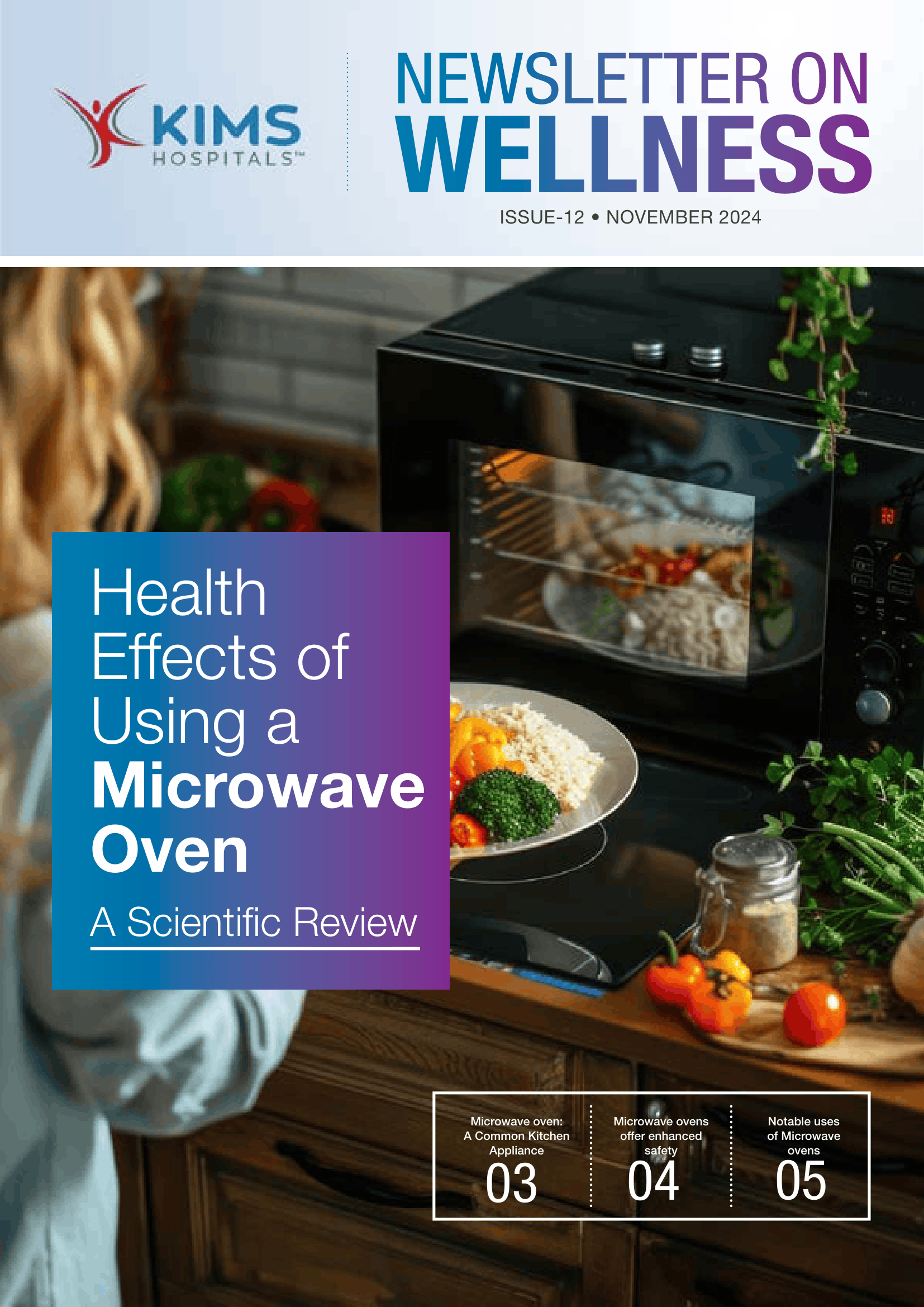
Health Effects of Using a
Microwave Oven
A Scientific Review
Microwave ovens are a convenient and efficient cooking method that uses non-ionizing radiation. Scientific evidence discussed in the newsletter addresses common safety concerns, including cancer risks, while highlighting nutrient preservation and safe cooking practices. Using microwave-safe cookware, appropriate heating settings, and proper handling can support safe and effective use.
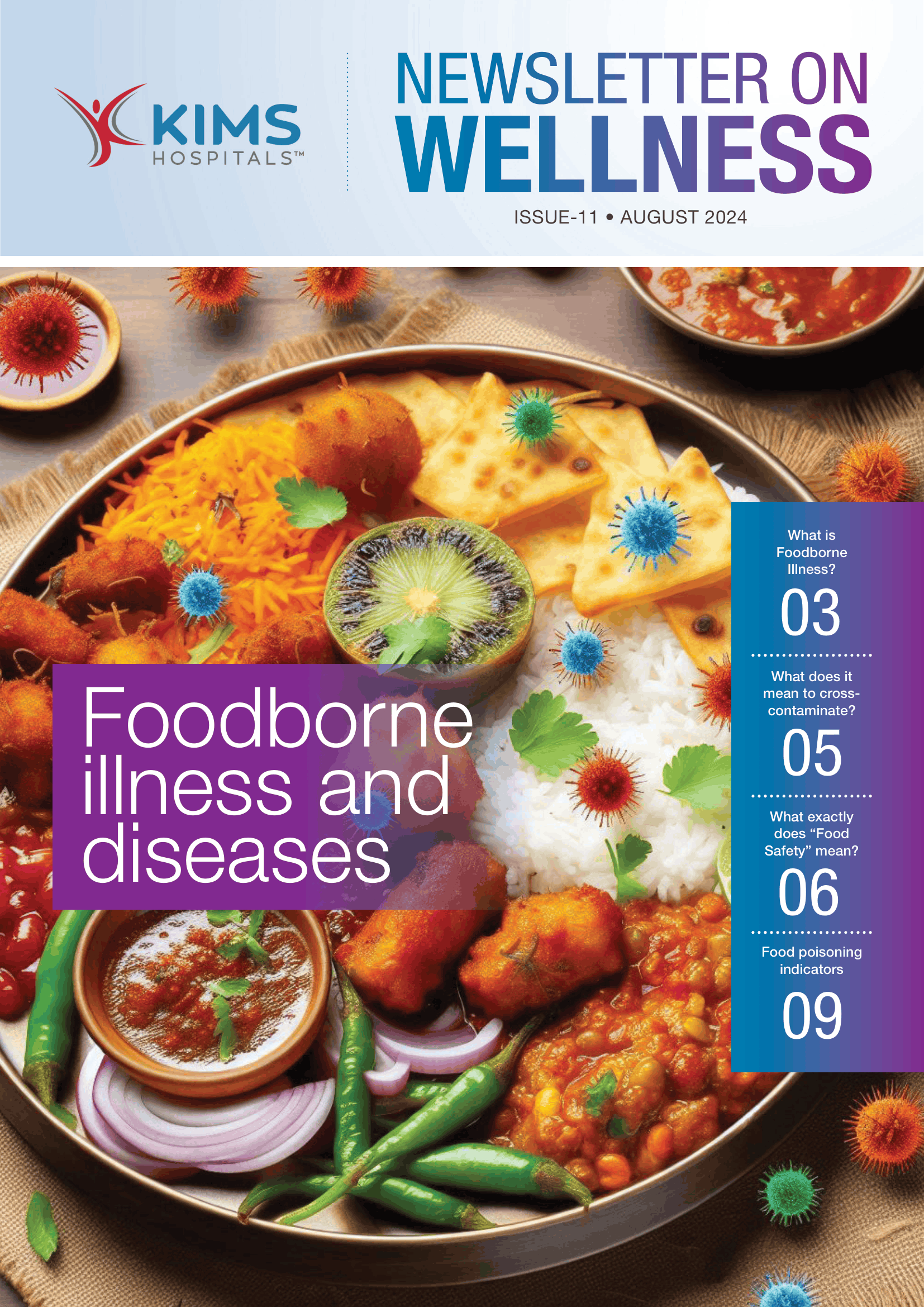
Foodborne illness and
diseases
Foodborne illnesses result from contaminated food or water and can cause symptoms such as nausea, vomiting, diarrhoea, fever, and abdominal pain. Preventing these illnesses requires proper hand hygiene, avoiding cross-contamination, thorough cooking, safe food storage, appropriate refrigeration, and careful handling of raw and cooked foods

A comprehensive wellness guide for Men at 50 and above
Men aged 50 and above can support healthy ageing through preventive care, regular health screenings, balanced nutrition, daily exercise, adequate sleep, stress management, and healthy lifestyle choices. Attention to heart health, diabetes, cancer screening, immunity, bone strength, mental well-being, vision, hearing, and fall prevention can promote long-term health.

A comprehensive wellness guide for Women at 50
and above
Women aged 50 and above can support healthy ageing through balanced nutrition, regular physical activity, adequate sleep, preventive health care, and routine screenings. Attention to bone, heart, mental, and reproductive health, along with appropriate immunizations, stress management, and meaningful social connections, can promote independence, well-being, and healthier, more fulfilling years.
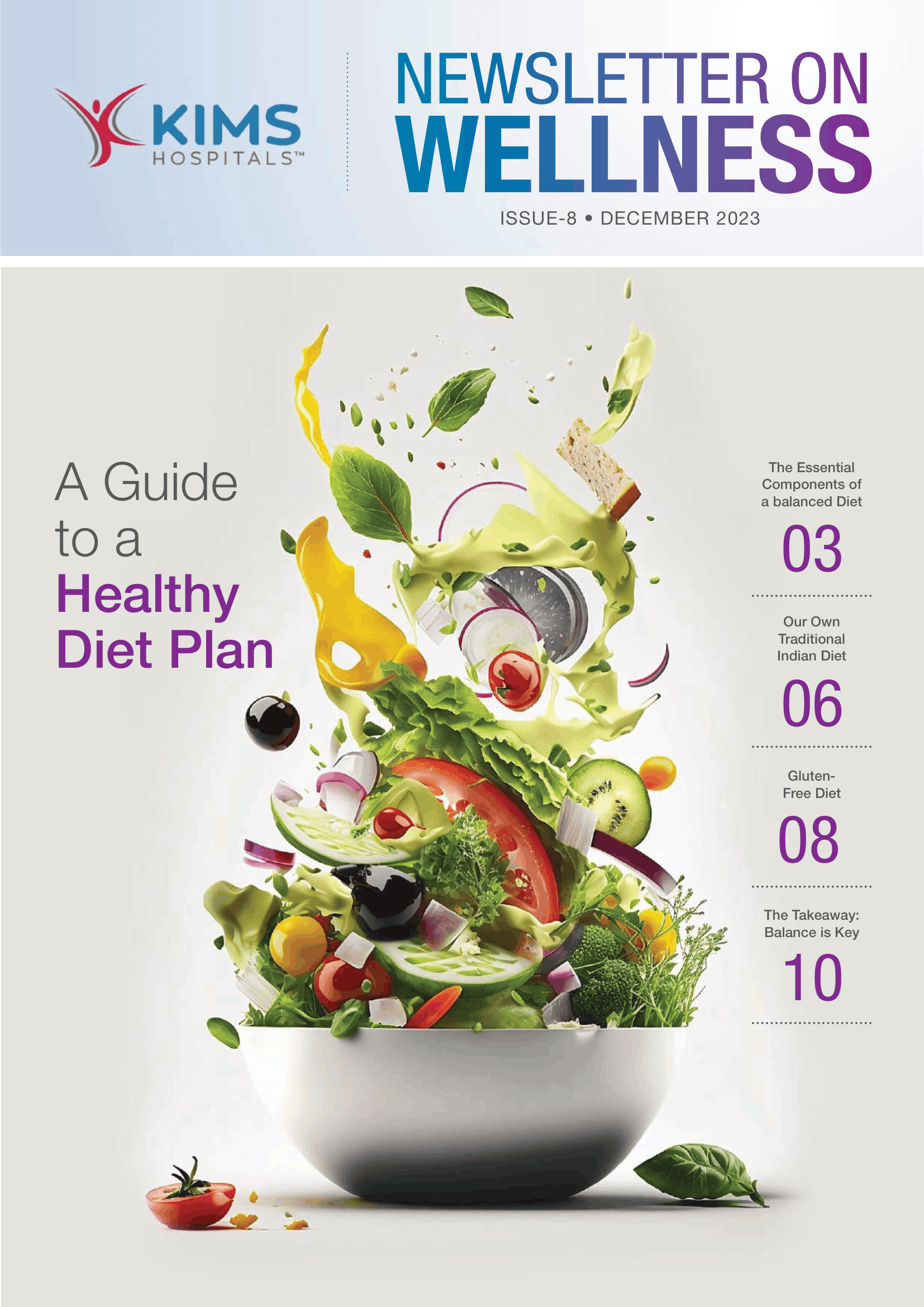
A Guide to a Healthy
Diet Plan
A balanced diet supports physical and mental well-being by providing essential nutrients, maintaining healthy weight, and supporting heart, digestive, brain, and overall health. Choosing nutrient-rich foods, practicing mindful eating, planning meals, staying active, and adapting dietary patterns to individual needs can promote sustainable healthy eating and long-term wellness.
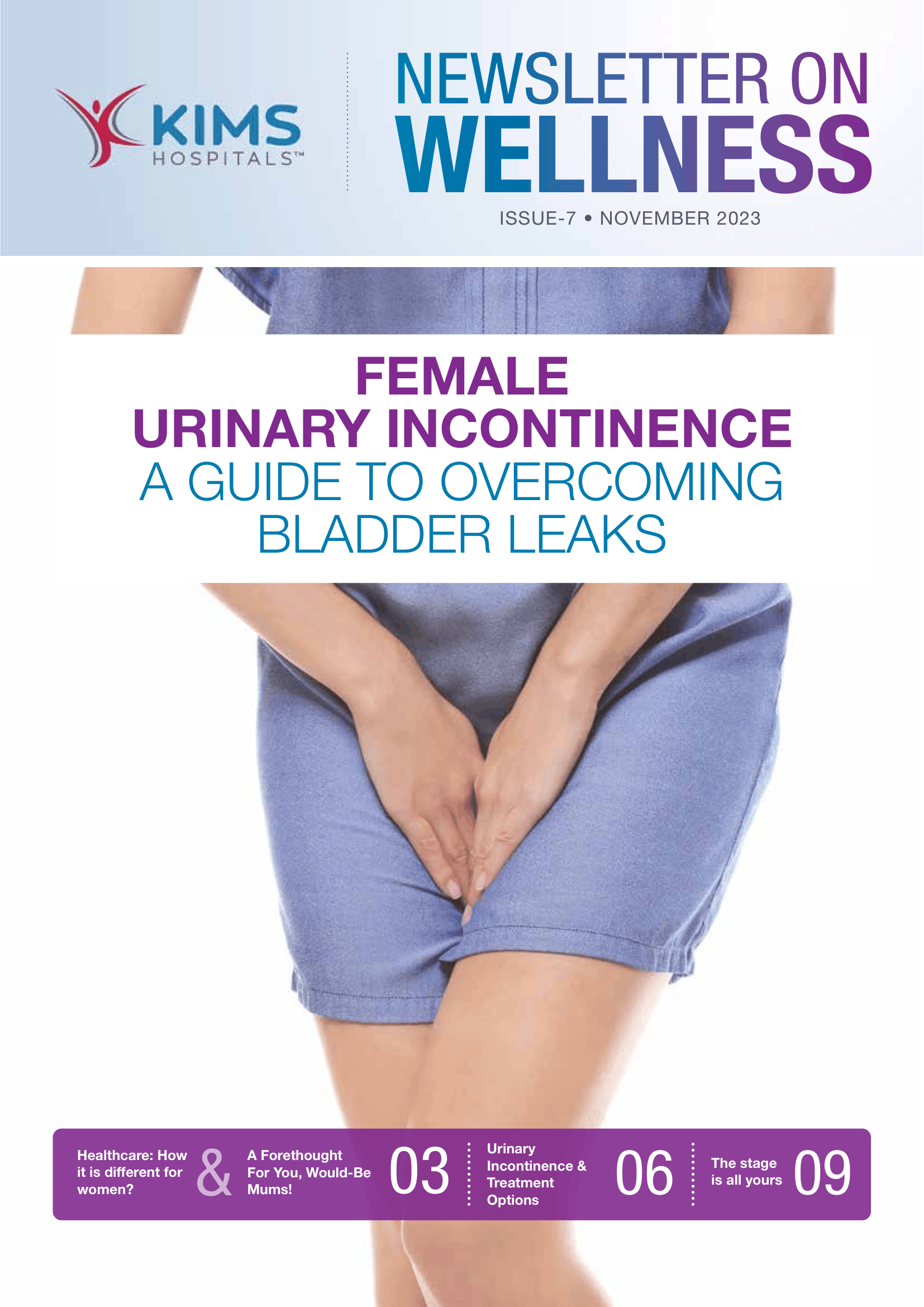
FEMALE URINARY INCONTINENCE
A GUIDE TO OVERCOMING
BLADDER LEAKS
Female urinary incontinence is a common pelvic floor concern that can affect comfort, dignity, emotional well-being, and quality of life. Understanding its types, risk factors, prevention, and treatment options, including pelvic floor exercises, bladder training, lifestyle changes, rehabilitation, and specialist care, can help women seek timely support and regain confidence.
Know Your Heart!
Heart health depends on understanding cardiovascular disease, its risk factors, warning signs, and timely management. Healthy eating, regular physical activity, maintaining a healthy weight, avoiding tobacco, managing stress, adequate sleep, and routine health check-ups can reduce cardiovascular risk. Awareness of heart attacks, cardiac arrest, CPR, and AED use can help save lives.

ENGAGE YOUR BRAIN
POWER-UP YOUR MEMORY
Memory plays a vital role in learning, independence, and everyday life, while changes naturally occur with ageing. Understanding normal forgetfulness, mild cognitive impairment, and dementia can support timely attention. Regular exercise, healthy nutrition, adequate sleep, mental stimulation, social engagement, stress management, and routine health check-ups can help support brain health.

TALK TO YOUR BABIES
A LOT…
The first three years of life are a crucial period for brain development, shaped by nutrition, interaction, communication, and a nurturing environment. Regular back-and-forth conversation, play, reading, music, and meaningful engagement can support language, cognitive development, and neural connections, highlighting the importance of active caregiver involvement during early childhood.

EAT RIGHT LIVE HEALTHY
Healthy eating supports overall well-being through balanced nutrition and mindful food choices. Understanding macronutrients, micronutrients, fad diets, food labels, hydration, and the relationship between nutrition, stress, and sleep can guide healthier habits. Choosing fresh foods, limiting processed options, eating in moderation, and staying hydrated promote long-term health and wellness daily.
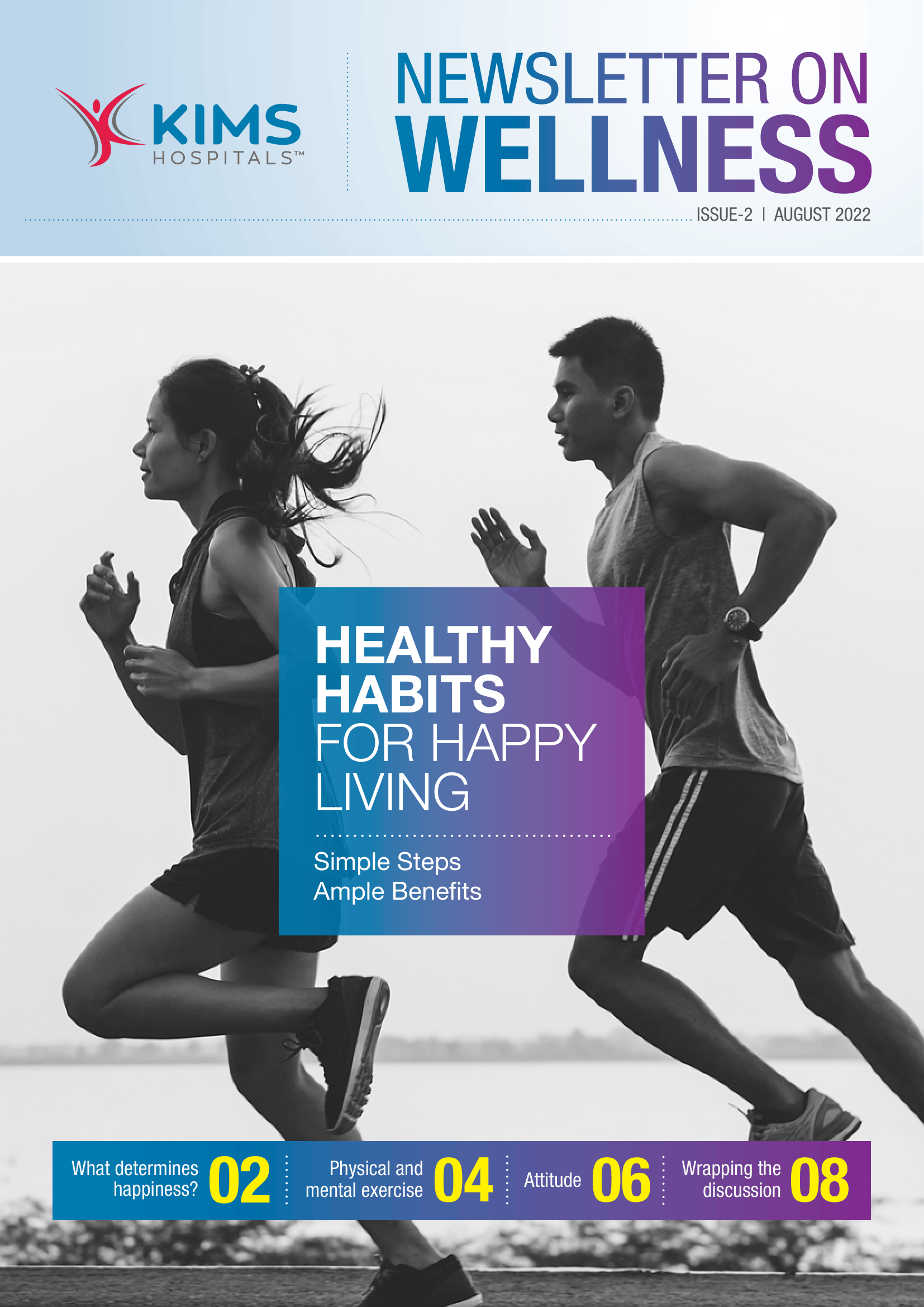
HEALTHY HABITS FOR HAPPY
LIVING Simple Steps
Ample Benefits
Healthy habits can support physical and mental well-being, productivity, and happiness. Regular exercise, balanced nutrition, adequate sleep, positive attitudes, gratitude, meaningful relationships, relaxation, and reducing harmful habits contribute to healthier living. Small, consistent lifestyle changes, along with mindfulness and purposeful activities, can strengthen well-being and promote lasting positive change.

STRESS IS BAD BUT THE GOOD NEWS IS IT’S MANAGEABLE
Stress is a common response to everyday challenges and can affect physical, emotional, behavioral, and social well-being. This issue highlights stress triggers, warning signs, and practical approaches to management, including breathing exercises, meditation, yoga, mindfulness, exercise, positive attitudes, social connections, and self-care to promote resilience and overall well-being.